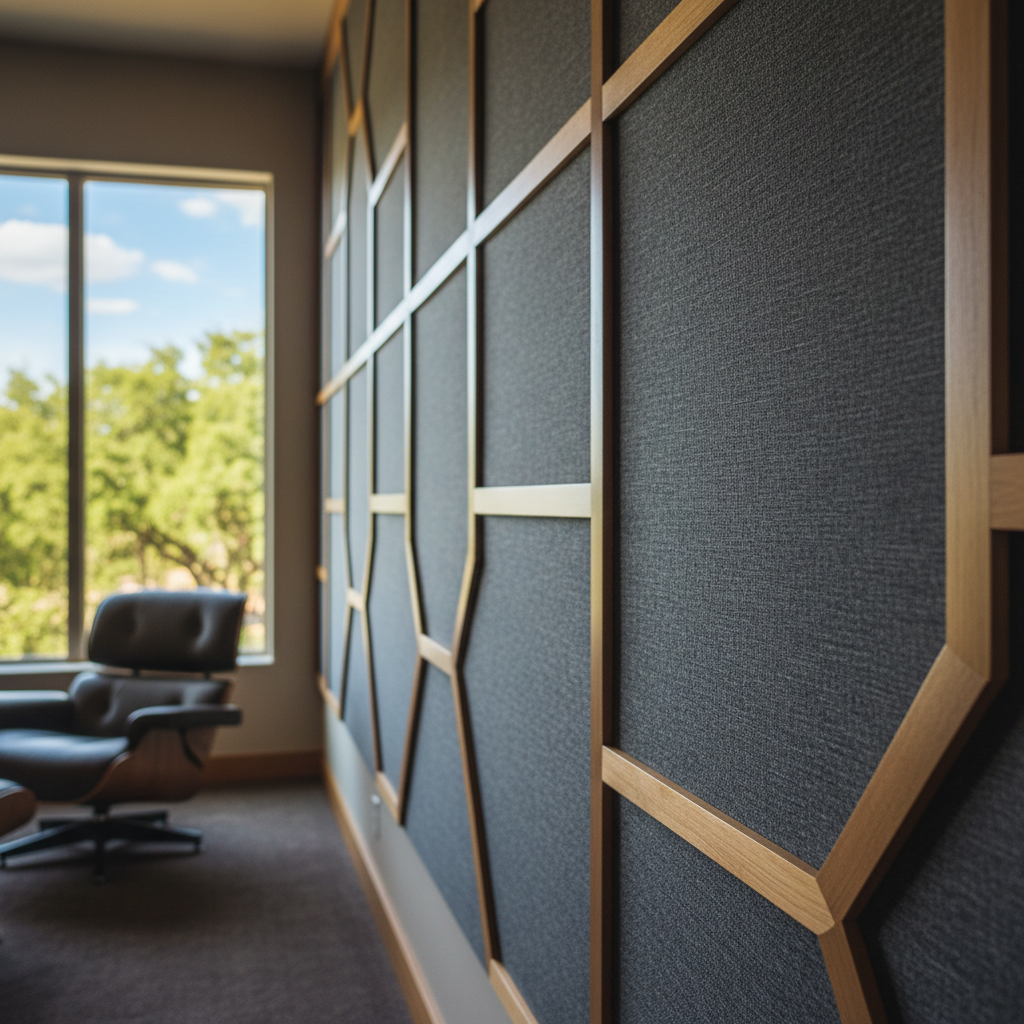
Alright, let's talk sound. You've got a killer home theater setup, maybe a big TV or a projector, and a sound system that cost a pretty penny. But does it sound as good as it should? Often, the answer is no, and it's usually not because your gear is bad. More often than not, it's your room causing the trouble. That's where acoustic treatment comes in, and man, do I get a lot of questions about it. So, I figured I'd tackle the big ones right here, you know, the ones that pop up most often.
What's the difference between soundproofing and acoustic treatment?
This is probably the most common mix-up I hear, honestly. They're related, sure, but they're absolutely not the same thing. Think of it this way: soundproofing is all about keeping sound in or out of a room. It's about blocking noise. We're talking heavy doors, insulated walls, sealed gaps, maybe even building a room within a room. That's a big construction project, often pretty expensive too.
Acoustic treatment, on the other hand, is about making the sound inside the room better. It controls echoes, reflections, and reverberation so your movies, music, and games sound clear, crisp, and impactful, not boomy or muddy. You're not stopping sound from leaving the room; you're just making the sound that's already there behave itself. Most homeowners in San Antonio looking to improve their home theater experience are really after acoustic treatment, not full-blown soundproofing, which is a whole different beast.
Do I really need acoustic treatment if my room sounds fine to me?
That's a fair question, and it's one I hear a lot. Here's the deal: your ears adapt. You might be used to your room's quirks – the echo when you clap, the way dialogue gets a bit lost, or how the bass sounds a little overwhelming in one spot and disappears in another. You might not even realize how much better it could sound until you experience a properly treated room. It's like driving a car with slightly misaligned tires; you get used to it, but once they're aligned, you realize how much smoother the ride is.
Acoustic treatment isn't about fixing something that's 'broken' in an obvious way. It's about optimizing your listening environment to get the absolute best performance out of your audio equipment. It can make a good system sound great, and a great system sound incredible. If you've invested in quality speakers and a receiver, you owe it to yourself to let them shine, don't you think?
What are the main types of acoustic treatment?
When we talk about acoustic treatment, we're generally looking at three main types of products:
- Acoustic Panels (Absorbers): These are probably what you picture first. They're designed to absorb sound waves, which cuts down on echo and reverberation. You'll find them in various thicknesses and materials, often fabric-wrapped. We usually place these at 'first reflection points' – that's where sound from your speakers bounces off a wall or ceiling before it hits your ears.
- Bass Traps: These are a specialized type of absorber, usually thicker and built to soak up lower frequencies. Bass waves are long and powerful, and they just love to build up in corners, causing a boomy, undefined sound. Bass traps help tame that low-end rumble, making everything sound tighter.
- Diffusers: Instead of absorbing sound, diffusers scatter it. They break up sound waves and spread them out in different directions, which helps maintain a live, spacious feel in the room without creating harsh echoes. You often see these on the back wall or sometimes on the ceiling.
It's usually a combination of these elements that gives the best results, by the way.
Where should I put acoustic panels in my room?
This is where it gets a little technical, but it's not rocket science. The goal is to control those early reflections. The easiest way to find your first reflection points is with the